Showing posts with label Usana Health Sciences. Show all posts

Tuesday, July 28, 2015

Higher intakes of potassium, magnesium and calcium are related to lower stroke risk

Higher intakes of potassium, magnesium and calcium are related to lower stroke risk

 At a Glance
The results of a large prospective study show that women with a higher intake of magnesium, potassium and calcium have a lower risk of stroke.  

 Read more about this research below. 
 Calcium, potassium and magnesium are the 3 most abundant minerals in the body. Each play roles in the health of the cardiovascular system.  Although studies have shown these minerals to have benefits related to cardiovascular health, information on the relation of magnesium, potassium and calcium with stroke risk have been inconsistent. These minerals are often found together in foods, and their intakes are strongly correlated.

In a new study published in the American Journal of Clinical Nutrition, researchers examined the associations between intakes of magnesium, potassium and calcium with stroke risk in a large population of women.  The participants included 180,864 women that were participants in two studies, the Nurses Health Study and Nurses Health Study 2 (NHS and NHS 2). Follow-up in the NHS was 30 years, and 22 years for the NHS 2. Food frequency questionnaires were used to document intake of each mineral and a combination of the 3 from both dietary and supplemental sources. 

During the follow-up period, a total of 3,780 stroke cases were documented. Compared to the women in the lowest 20% of magnesium intake the women with the highest 20% of intake had a 13% lower risk of stroke.  Women with the highest potassium intake had an 11% lower risk of stroke.  Women with the highest combined mineral score had a 28% reduced risk of stroke.  Based on an updated meta-analysis of all prospective studies to date, the risk of stroke was reduced 13% for each 100 mg/day increase in magnesium intake.  For each 1,000 mg/day increase in potassium intake there was a 9% reduction in stroke risk. Calcium intake was not independently associated with stroke risk.

The results of this study show that both magnesium and potassium intakes are inversely associated with stroke risk, and that women with a higher intake of the combination of magnesium, potassium and calcium have a significantly lower risk of total stroke. 
Sally N Adebamowo, Donna Spiegelman,  Walter C Willett, and  Kathryn M Rexrode.  Association between intakes of magnesium, potassium, and calcium and risk of stroke: 2 cohorts of US women and updated meta-analyses. Am J Clin Nutr June 2015   vol. 101  no. 6  1269-1277

Wednesday, August 21, 2013

USANA New Product Webinar Thursday 8/22 with Doctors Wolfe & McNamara

Usana Health Sciences New Product Info Thursday 8/22


Free Webinar 22 August on New & Improved Usana Health Sciences Products

Every year at USANA Health Sciences International Convention new and improved products are presented to a crowd of thousands and this year there were 8000 to be exact. USANA just rolled out Nutrimeal plant based protein powder, a bunch of improved snacks that looks suspiciously like junk food... But they are not! What's Up With that? Learn WHY these work and HOW they've been formulated with Dr. Ladd McNamara & Dr. Karen Wolfe.
Date:    Thursday, August 22, 2013
Time:    6:00-7:30 PM (PDT) / 7:00-8:30 PM (MDT) / 8:00-9:30 PM (CDT) / 9:00-10:30 PM (EDT)
FREE Reserve your Webinar seat now REGISTER Here
Thanks for following The Living Connection on Facebook
About Dr. Karen Wolfe
Karen is an Australian born  MD and author of Is Your LifeStyle Killing You? Glycemis Stress Sugar Addiction and Type 2 Diabetes


Dr Ladd McNamara is a board certified OBGYN, author. lecturer and former member of the Scientific Advisory Council for USANA Health Sciences. He has a great series of podcasts and DVDs out on called The Cholesterol Conspiracy. I always learn a great deal from him.

Friday, April 26, 2013

Pondering Cherries during Sakura Matsuri - Sleep Better Slim Down Reduce Aches


 This Cherry Blossom Time Lapse  video from the Brooklyn Botanic Gardens is the Editor's Pick on vimeo and a lovely preview of what I am set to see this weekend at the annual Sakuri Matsura Cherry Blossom Festival right here in Brooklyn. The BBG has 17 different varieties of cherry trees on the grounds. Like heaven on earth, what a joy it is to walk under the trees, taking in the fragrances of magnolia, cherry and the incoming wisteria. The fruit of the cherry tree is a wonderful source of antioxidants that helps stimulate melatonin production, the usherer of a restful nights sleep.

 Melatonin and Body Fat Reduction

The tart or sour cherry variety in particular boost melatonin as well as helping to reduce inflammation in such a sweet way! The juice of the cherry helps reduce uric acid and helps the body burn fat. Sweet cherries I have discovered are rich in potassium and provide a summertime source of it and an alternate to the banana. Potassium is a great way to lower high blood pressure levels and control heart disease. Being a red fruit they are high in anti oxidants like our delicious friends blueberries, raspberries, dark grapes and blackberries. Eating 2 cups of cherries per day while they are in season will be effective in delivering their health benefits. When I went to high school in Michigan, cherries were one of the prime fruits of the region aside from apples. This store sells Tart Cherry Juice by mail order. While you may not be able to indulge in this treat everyday,  you can also insure your body gets enough melatonin with Usana's Pure Rest. I use it on a regular basis and it has been effective in helping me get the beauty sleep I need here in the City that Never Sleeps. It's a high quality pure form of melatonin that is vegetarian friendly. It has also proved useful while changing time zones and avoiding the perils of jet lag and sleeping pills. Now knowing what we know about the link between a reduction of body fat and the role sleep plays in weight management here is wishing you sweet, sweet dreams.

Monday, January 28, 2013

Bernando LaPallo 111 Oldest Member USANA Health Sciences

Bernando LaPallo age 111 years young

 111 Year Old Bernando LaPallo Joins Usana Health  Sciences

Author, lecturer and possibly the healthiest living centenarian on the planet, Bernando LaPallo, is now the oldest living member of Usana Health Sciences, the nutritional manufacturing company founded in 1992 by Dr. Myron Wentz. Bernando's website for his product offerings is scheduled to launch Tuesday, February 5, 2013 and will be posted to his official facebook fan page and be linked to his official website Age Less Live More Store   USANA manufactures a personal skin and body care line that uses pure botanicals, antioxidant complexes and marine enzymes using a  patented self preserving technology that has revolutionized the skin care industry by removing the need for harsh chemical preservatives. The line is free of parabens (petroleum) and pthaltes (plastics) that Bernando feels is detrimental to the human organism. Bernando is happy to introduce this complete skin and body care line suitable for the entire family that provides topical nutrition to the skin. The skin is the first to bare the brunt of contact with the elements and the last to receive nutrients from the body. Green tea, Proflavanol - T, Proteo -  C  are some of the featured ingredients and complexes that help slow down the visible signs of aging. 
"This is nutrition for the skin at a cellular with nothing harsh to dry it out.
The skin is the largest organ in the body and it's important to keep it healthy and soft. If you use it on a regular base maybe your skin will be as soft as mine."
  The Sense skin care line is manufactured according to Good Manufacturing Practices.
Bernando is working on his second book which is scheduled to be released the Summer of 2013 just before his 112th birthday. Stay tuned!


Monday, May 7, 2012

Scientic Method: Advanced Applied Nutritional Science In House


Scientific Method: Advanced Applied Nutritional Science
By David Baker
this is a "guest post' taken from What's Up Usana?  a series addressing the solid science behind the manufacture of nutritional supplementation at USANA Health Sciences.
Science carries a certain amount of mystique. The lab coat seems the cloak of a secret society operating just out of reach of the layman’s understanding—not quite magic, but certainly not mundane.

Pull back the curtain and you’ll find science is much less clandestine than you might imagine. In fact, USANA’s in-house team of scientists is just working hard trying to produce the best science-based products available.

That’s not to say there aren’t th
ings USANA’s research and development (R&D) team wants to keep under wraps. Some of the information—tucked away in the unremarkable piles of paper around Brian Dixon’s office—might be the next big thing in nutritional science. As USANA’s director of product innovation, it’s Dixon’s job to turn those piles of scientific literature and USANA’s 27 studies into the next game-changing product or upgrade.

Transforming information into effective products isn’t easy, so you’ll have to forgive Dixon and his colleagues for keeping some secrets. Especially when those secrets turn into patented technologies and products.

From Page to Test Tube

What starts in stapled stacks on the desks of USANA’s third floor transforms into something that rattles inside bottles that end up on so many kitchen counters through a process more work than wonder and more moxie than magic.  

It starts in the pages of the scientific literature that make up a roadmap of sorts. They don’t predict the future, but the literature does indicate t
he direction science is heading, knowledge that’s essential to staying on the cutting edge.

With scientists from so many different backgrounds constantly studying diverse areas of the literature, USANA covers a lot of ground. The R&D staff contains a doctor of naturopathy, an expert in sports science, molecular and cellular biologists, nutritional biochemists, pharmacists, nurses, biologists, and chemists. Since all of the members of the R&D team focus on different areas and approach problems from different points of view, they create a huge, robust way of looking at things, which is important.

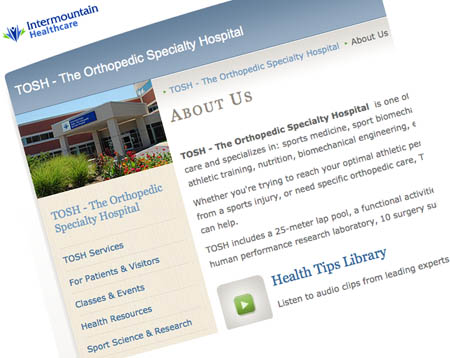
When the team finds something of interest in the journals, they are able to run with it. Depending on the type of finding, they will either design an in-house study, or consult the experts at research partners like the Linus Pauling Institute (LPI) or The Orthopedic Specialty Hospital (TOSH). Research partners are currently working on 22 of USANA’s studies.

“We yield to the experts whenever we need to, which I think is smart,” Dixon said. “It’s working smarter, not harder.”

A good example of the role USANA’s scientists play in external research is a recent study about bioflavonoids. The R&D team found a paper that suggested bioflavonoids could blunt a spike in blood glucose. They asked a postdoctoral researcher at LPI if the findings had any validity. She looked into it and said the bioflavonoids in USANA’s line theoretically should have the same effects found in the paper.

Knowing LPI had more expertise in the area, USANA had them take the lead on the study. The project found itself in a time crunch, so Dixon and another USANA scientist went to LPI to work side by side at the lab bench with the postdoctoral researcher. Their findings were recently submitted for publication.
 
Although USANA will defer to the experts they partner with, the company’s R&D team contributes its own expertise to external research. “USANA brings speed, efficiency, and passion to any project we’re involved in,” Dixon said. The in-house team also has an experienced, hard-working, well-qualified human clinical research and analytics team, and top-notch facilities available on-site.

“We’re working with a group of physicists and chemists at the University of Utah,” Dixon said. “They don’t have much human clinical experience, so they can develo
p technologies, and we can test them in human beings. We’re combining efforts for the greater good.”

The Basics of Applied Science


Expertise isn’t the only consideration when deciding if a study should be handled in-house. USANA prefers to do applied research—applying basic research done by institutions to humans, and using it to develop or improve products.

“We’ll do basic research when we think it could pretty quickly do
vetail into applied,” Dixon said. “But we like working as closely with the human, with our customers, as possible.”

Basic research isn’t always so basic. It explores the mechanisms of a phenomenon, and establishes the scientific understanding needed to apply groundbreaking research to the human condition. So USANA’s research partners are out looking for next greatest thing in nutritional science, and in-house experts leverage that basic research and apply those cutting-edge techniques and technologies directly to human health.

Translational research is the term Dixon uses. And there’s plenty of it going on in-house at USANA. There are currently five human clinical studies in different stages that Dixon said should be finished this year—an impressive number, to be sure.

The first study is an effort to find a medical device that can quickly show USANA’s products are yielding real health benefits. From research they’ve done, the R&D team knows antioxidant status is increased after taking the USANA® Essentials™, but that increased status doesn’t feel or look like anything. The study, which is in the process of data analysis, looked at five different medical devices to assess their ability to measure biomarkers that can show the health benefit of taking USANA products.

Another study examines whether the phytosome technology used to raise the bioavailability of the turmeric extract in USANA’s upgraded Procosa® can be used with other core ingredients. Phytosome technology uses healthy fats to encase nutrients to protect them through digestion and deliver them more effectively to the cells. They are currently investigating if this can help different nutrients and antioxidants get into the blood and the cell, increasing their effectiveness.*

USANA was one of the first supplement companies to put advanced doses of vitamin D in its core products. “We didn’t stop there,” Dixon said. “USANA being USANA, we wanted to actually prove that our customers were experiencing a real benefit. So what we did is conduct a study.”

Actually, two studies. Both are about vitamin D status in USANA product users, and are currently being written up. The R&D team, with the help of Associates, found almost 1,000 people, half who used USANA products, and half who didn’t. One study measured the vitamin D status of participants at the end of winter, when levels should be at their lowest. The other measured levels at the end of summer, when participants should have the most vitamin D.

The winter study found that those taking USANA products, on average, had a 47-percent higher vitamin D level than those who were
not taking USANA products. The summer study yielded almost the exact same results, which is odd because a person’s body can typically make tens of thousands of International Units (IU) of vitamin D in about 20 minutes of moderate sun exposure. But contribution from the sun only equated to study participants taking a supplement with 300 IUs, which results in a negligible amount of vitamin D in the blood.

Dixon and the team attributed the results to a modern lifestyle that doesn’t allow for enough sun exposure during peak times between 10 a.m. and 3 p.m. This is especially true for people who live above 37 degrees north latitude or below 37 degrees south latitude—where the tilt of the earth causes much of the essential UVB radiation from the sun to be filtered out by the planet’s atmosphere.

The data suggests people shouldn’t just be worried about vitamin D status in the winter, Dixon said. To achieve optimal levels, they should be supplementing with vitamin D all year.

The final in-house study is shrouded in some mystery. It involves a possible discovery that could impact USANA’s products and their effectiveness. All Dixon would say was that it’s a technology that could keep antioxidant levels in the blood
higher for a longer period of time, providing more protection against oxidative stress. After further study, USANA is hoping to file patents.

Publications and Products

The conclusion of a study doesn’t mean the end of the work. Researchers write papers for presentation at scientific conferences or to submit for publication in scientific journals—just like their peers at major research institutions. The peer-review process the research goes through means studies are evaluated by experts, who check the papers’ scientific validity.

“We’re still held to the same standards of scientific excellence that any university or research institution is,” Dixon said.

Including papers that come out of research collaborations, Dixon said USANA scientists have about 10 papers published a year. Publications are a good metric for evaluating researchers, and almost one a month is an output even larger labs would love to have.

Getting journal articles published raise the credibility of USANA’s research, but the ultimate goal for any study is to make better, more effective products. It’s long, less-than-magical work taking science and turning it into something to keep the USANA family—and the world—as healthy as possible. But it’s totally worth it.

“Simply put, Associates get the best science-based health products in the world,” Dixon said.

Go back and read all the Scientific Method articles, and learn about all the research going on at USANA and its partner institutions.

*These statements have not been evaluated by the Food and Drug Administration. This product is not intended to diagnose, treat, cure, or prevent any disease.


“We’re still held to the same standards of scientific excellence that any university or research institution is.” — Brian Dixon, Ph.D., USANA director of product innovation

Tuesday, May 1, 2012

Scientific Method: Teaming with TOSH to Break New Ground


Scientific Method: Teaming with TOSH to Break New Ground

This is a guest post By David Baker exploring the scientific partnerships USANA has formed with leading institutions to further human health. There is a video link at the end. Be sure to watch! - Ekayani Chamberlin


Leave the USANA Home Office headed east toward the towering Wasatch Mountains and any one of three routes will put you at The Orthopedic Specialty Hospital (TOSH) in less than 20 minutes. There are 12 measly miles of road between the corporate headquarters and the medical campus—road that represents a connection deepened by, but not built upon, proximity.

Collaboration is the vocabulary word Tyler Barker, Ph.D., a physiologist and clinical researcher at TOSH, would use to describe the research relationship with his neighbors to the west. It’s a collaboration manifested in shared interest, workload, and desire to be better through a two-heads-are-better-than-one philosophy.

“USANA isn’t just supporting the research, they’re doing it,” Barker said. “It would not be possible without USANA. Sometimes I feel bad because I’m always bugging Brian.”

He’s talking about Brian Dixon, Ph.D., USANA’s director of product innovation, and one of the members of USANA’s Research and Development team Barker works with most closely. Dixon and Barker should be familiar with each other. Both logged time at the Linus Pauling Institute (LPI). They kept in touch after their time in Corvallis, Oregon, and have fostered the collaborative spirit both point to as a strength of the partnership, which officially started in 2009.

But Barker’s relationship with USANA actually goes back further. As part of a research partnership with LPI, USANA funded Barker’s dissertation.


A Recipe for the Perfect Collaboration

Although the research partnership between USANA and TOSH is fairly new, the collaborative nature of the relationship is already bearing fruit.

“USANA has brought TOSH to a whole new level,” Barker said. “TOSH is world renowned for its surgery and physical therapy, and the research, but I feel like the collaboration with USANA has taken that research to a whole new level.”

None of it would be possible without the unique expertise and resources Barker and TOSH bring to the table. And since TOSH is a world-class facility on the forefront of orthopedics, their contribution is by no means paltry. There’s the medical-campus setting with physicians, surgery, physical therapy, athletic training, and research under one roof. Then there’s the constant stream of patients that make up a large, varied population—everything from kids getting ready for their first football practice to osteoarthritis sufferers in need of a total knee replacement. Everything adds up to the perfect setting for human clinical research about nutrition and orthopedics, and the perfect partner for collaboration.

“Tyler and his team bring a specific skill set and expertise to a problem, and our team at USANA brings another skill set. It works well,” Dixon said. “You have a physiologist working with a molecular biologist, and Tyler can do things that we can’t do. We can do things that they can’t do. Those are the perfect collaborations.”

Like with anything, the research collaborations between USANA and TOSH start with a good idea. Conversations between Barker and USANA’s team produce ideas that could work for both parties. USANA and TOSH then work to turn those ideas into mutually beneficial research. That means designing a study, manufacturing the supplements, working on blinding and randomization—important steps to assure scientifically valid results—recruiting subjects, and collecting and analyzing the data. So the collaboration runs from conception to publication or presentation of the findings.

“I feel like it’s more on an academic level, as opposed to something marketing-driven,” Barker said of the relationship between the two groups.

Teamwork in Action

The relationship between USANA and TOSH materializes in the four human clinical studies currently underway—all of which explore the convergence of orthopedics and nutrition.

The first study examines whether low vitamin D status impairs recovery from muscle damage, and whether supplementing increases vitamin D levels and improves recovery. Data is only collected in the four winter months, but TOSH has finished subject recruitment and enrollment. Barker is ready to start data analysis, and he’s excited about what he’s seen so far. There have already been presentations at international scientific conferences, and the first manuscript from the study is in print now.

Barker was also able to leverage USANA’s resources to secure $40,000 in additional grant money for the study, getting even more research out of the company’s investment.

Knees are the focus of two other USANA-TOSH collaborations. One study builds on Barker’s dissertation, investigating the role vitamins E and C play in strength recovery following ACL injury and surgery, and whether multivitamin/multi-mineral supplements have an influence on strength recovery, as well. The ACL, or anterior cruciate ligament, is one of the four major ligaments of the knee. The study is approaching 50-percent subject recruitment, and Barker expects to do an interim analysis soon.

The other knee study explores whether multivitamin/multi-mineral supplements influence strength recovery, inflammation, and wound healing following a total knee replacement—a procedure that is increasing in frequency, especially in women. Barker said they are halfway to their goal of 30 subjects.

Data collection is continuing on both knee studies, but is just underway in the final USANA-TOSH collaboration—a vitamin D-osteoarthritis study. There are already 20 subjects, and five have finished their 12 weeks of supplementation—either a custom pack of vitamin D, fish oil, and joint-health supplements, or placebos. It’s a big study that involves several end points and outcome measures. But it’s important because, according to the Centers for Disease Control and Prevention, osteoarthritis affects an estimated 26.9 million adults in the United States, and is currently the leading cause of disability. This study is so important USANA has committed $250,000, plus the cost of supplements and other sample analysis.  

There are other things Barker has going on as well, like a case study exploring vitamin D status in the first subject to enroll in the total knee study. “We’re funding four studies and we expect four conclusions to come out of it,” Dixon said. “But Tyler goes above and beyond. He is consistently reanalyzing the samples he and his team have already collected as new research comes out to verify findings or even make new ones. So we get a lot of bang for our buck.”

And the fact that these studies are happening in humans, in a medical setting, makes the research even more valuable. 

“Subjects are coming here to get better—they have a bum knee or a bum hip or something—we want to make their lives better,” Barker said. “But at the same time, let’s do a little research to find out what’s going on and see if we can improve that.”


A Bright, Busy Future


When USANA evaluates which research to support, the phrase “cutting edge” is always part of the conversation. Working with researchers pushing the frontier of science is paramount, and the research with TOSH definitely fits USANA’s cutting-edge mantra. Crossover between orthopedics and nutritional science has been infrequent, but it’s quickly becoming an emerging area of interest—one where TOSH and USANA are already making advances.

“You can probably count all the studies that have examined vitamin D and inflammation in orthopedics on one hand,” Barker said.

Most of the research in orthopedics involves surgery, physical therapy, and biomechanics. There have been a few studies with vitamin C, iron, and folate, but most have been observational, not experimental, in nature. USANA and TOSH are trying to do both and, in the process, produce truly groundbreaking work.

And by no means is that work done. In fact, Barker and Dixon think the future looks bright. USANA funding has already allowed Barker to hire two research assistants to help shoulder the burden of running numerous clinical studies at the same time. Barker usually has about five studies on the backburner, too, and there are indications that some of those might be of interest to USANA.

“We’ve talked about a couple of possible studies, and there’s some additional funding that’s going to be coming TOSH’s way,” Dixon said. “Who knows where nutritional science and patient care is going to go in the future? But we’ll obviously be on that cutting edge.”

Barker would like to get to a point where USANA and TOSH are doing larger phase two and three clinical studies. The specifics aren’t clear, but what is—judging by the glowing way he talks about the collaboration he’s had with USANA—is Barker’s excitement about what the future holds for the partnership.

“USANA has quality supplements and quality people,” Barker said. “And then, with all the subjects and patients that walk through the doors here, basically, what we can do is endless. There are always questions and hypotheses.”

USANA Takes You On A Tour of TOSH

Next week, don’t miss the final Scientific Method story, which looks at research going on inside the USANA Home Office.

Friday, April 27, 2012

The Scientific Method: Legacy and Discovery at Linus Pauling Institute

Scientific Method: Legacy and Discovery are Alive at LPI
By David Baker

(This is part 2 of a series on the scientific research behind Usana Health Sciences and their partnership with LPI)

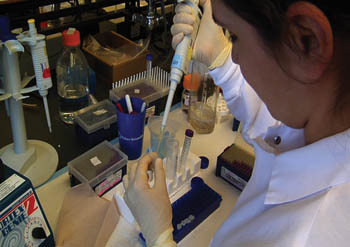
Inside the lab of a nearly new building. Inside a petri dish and the clear, seemingly non-descript liquid dripped from so many pipettes. Inside the cells composing various in vitro experiments and the DNA that builds life itself. Zoom in close enough on the Linus Pauling Institute, and you can see the mechanics of scientific discovery.

It’s for the discoveries that the new building, the new lab, the petri dishes, the pipettes, and the unquantifiable collection of scientific passion, knowledge, and energy exist. At the Linus Pauling Institute (LPI), it’s all dedicated to discovery—the game-changing kind that helps people live longer, healthier lives.

Observation

The researchers working on the campus of Oregon State University (OSU) in Corvallis are following in the footsteps of the scientific pioneer that lends his name to the institute. Linus Pauling, Ph.D., is the only person to win two unshared Nobel Prizes—Chemistry in 1954 and Peace in 1962. From a 13-year-old chemist in his mother’s basement, Pauling grew into one of the most important scientific figures of the 20th century, breaking ground in the nature of the chemical bond, and micronutrient research—especially the importance of vitamin C.

In 1973, Pauling co-founded what eventually became LPI. Basing their research on the idea that a balanced and nutritious diet is the key to optimal health, LPI scientists focus on how vitamins, minerals, and phytochemicals (chemicals from plants) play a role in human health. Nearly 30 years later, Pauling’s belief that micronutrients are important is still central, uniting the work of the researchers who carry on his legacy.

“I always have to laugh when MDs say, ‘We don’t need this vitamin!’” said Balz Frei, Ph.D., director and endowed chair of LPI and OSU distinguished professor of biochemistry and biophysics. “Wait a minute. Vitamin? ‘Vita’ is Latin for life. These things are essential nutrients. We need them. Without them, you die or suffer from serious disease.”

Driven by the mission to promote optimal health through micronutrient research, the institute has grown in acclaim, becoming one of the first two Centers of Excellence for Research on Complementary and Alternative Medicine designated by the National Center for Complementary and Alternative Medicine of the National Institutes of Health (NIH).

Hypothesis

It’s this mix of mission and excellence that brought USANA and LPI together in 2007, when a 10-year partnership was announced to facilitate the exploration of key nutrients to help people live healthy and productive lives.

“We have very similar interests and very similar mission statements,” Frei said. “Our focus is on health span, not so much life span. Of course, if you eat right and you exercise and you take the right dietary supplements you hopefully live longer, but you also live better…USANA is focusing on health span, too—trying to help people stay healthy up to an old age and help them be productive, and not just free of disease, but also vital and energetic. This makes perfect sense, then, for the LPI to partner with USANA.”

The partnership comes to life in the financial support USANA provides for projects at the institute—scientific- and outreach-related—and intellectual collaboration on mutually beneficial research. It’s a win-win, with LPI getting support for projects that are tough to fund through traditional channels, and USANA staying connected to pioneering research and the advancement of nutritional science.

Experiment

The work most closely associated with Pauling’s is coming out of the Frei lab. Building on a seminal paper he wrote called “Vitamin C is an Outstanding Antioxidant in Human Blood Plasma,” which has been cited over 1,200 times, Frei has continued his vitamin C work, but also explores other compounds and their role in slowing the progression of atherosclerosis—the hardening of arteries caused by plaque build up.

Frei’s research examines the interaction between vitamin C and lipoic acid. Along with fellow LPI researcher, Tory Hagen, Ph.D., Frei is looking at the anti-inflammatory properties of these compounds. Two ongoing clinical trials at Oregon Health and Science University (OHSU) are looking at the effects of lipoic acid supplementation in overweight subjects and heart disease patients.

The interaction of flavonoids with digestive enzymes is also of interest to the Frei lab. In vitro studies have shown certain flavonoids and extracts, like grape-seed and green tea extract, can inhibit digestive enzymes, slowing starch breakdown into glucose, which lowers the body’s response to this high-glycemic food. They are working to take this from the lab to humans—the goal of all the research at LPI.

Of course, Frei isn’t the only scientist at LPI immersed in interesting research. Visit the office of Emily Ho, Ph. D., and it’s easy to guess one of her lab’s interests. It’s green, stuffed, and sitting in a chair next to her desk.


Continue reading on page two


Broccoli—specifically the sulforaphane found in broccoli sprouts—is one of the two areas Ho’s lab is researching. The LPI principal investigator and associate professor of public health and human sciences also works on zinc projects. Prostate cancer prevention is the thread tying her research together, but she also looks at inflammatory response and immune function, as well.

“You can’t always get a prostate from people, so we study other things, as well,” Ho said with a laugh.

Ho and her collaborators recently ran a controlled feeding study looking at zinc and DNA damage. They found DNA damage increased through the depletion period of the study, and after four weeks receiving adequate zinc—through diet and supplements—subjects’ DNA damage levels returned to normal. There isn’t a good biomarker for zinc status, so one of Ho’s missions is to find a measure that indicates deficiency in this important antioxidant.

Ho has also worked with an LPI colleague to identify a new mechanism for sulforaphane. Now they are running two clinical trials at OHSU in breast cancer patients and men with high risk of prostate cancer. Ho is using epigenetic biomarkers—reversible changes to the genome that occur outside the DNA and alter the way cells behave—to test the impact of sulforaphane.

Each LPI researcher is different. Adrian “Fritz” Gombart, Ph.D., doesn’t have any stuffed effigies in his office, and the LPI principal investigator and associate professor of biochemistry and biophysics prefers to focus on the role vitamin D plays in the innate immune response—the system that signals the presence of a pathogen and prevents it from gaining a foothold in the body.

The research Gombart is doing provides a better understanding of vitamin D’s role in immune function, and could shed light on its ability to regulate an antimicrobial peptide gene called cathelicidin in different immune cells, as well as the response to different infectious diseases. Soon, he is hoping to do human clinical studies examining whether higher vitamin D status leads to higher cathelicidin levels in a large population of healthy people.

Results

Around LPI, Fred Stevens, Ph.D., comes up a lot. The LPI principal investigator and associate professor of medicinal chemistry is working with cutting-edge techniques that could speed up the normally slow process of scientific advancement.

These techniques present a different way of approaching problems and allow for scientific connections to be made more quickly. In a recent study, Stevens and his collaborators used the techniques to make an interesting discovery about vitamin C deficiency. The results suggest vitamin C is critical for maintenance of cellular energy metabolism, and could explain why vitamin C insufficiency causes fatigue.

Another LPI principal investigator, Gerd Bobe, Ph.D., is using Stevens’ techniques to explore the health benefits of various foods. Bobe, an assistant professor in animal sciences, said these techniques give us a better idea of what a drug, supplement, or diet does to a specific person, allowing for more personalized treatments and preventions.

Conclusion


“We have very similar interests and very similar mission statements…This makes perfect sense, then, for the LPI to partner with USANA.” 
— Balz Frei, Ph.D., director and endowed chair of LPI and OSU distinguished professor of biochemistry and biophysics


Bobe is also lending his statistics skills to the Healthy Youth Program. This outreach effort is tackling the issues of nutrition and physical education in schools. Since its inception in 2009, the reach of the Healthy Youth Program has grown substantially. It started with a fitness and nutrition study in elementary school children and an assessment of their micronutrient intake. Now, the program runs cooking classes for children and partners with Corvallis High School to develop a garden maintained by students.

The number of Healthy Youth Program employees has grown from one to five, and the impact of the program continues to expand exponentially. USANA has given $250,000 to support the Healthy Youth Program in its efforts to provide education and activity programs for kids and their families.

Through collaboration on cutting-edge research and support for programs providing nutrition education and activities for kids, USANA has found a kindred spirit in LPI. In the future, this partnership will continue to help people find optimal health and live longer, more productive lives.

In the coming weeks, look for more Scientific Method stories with additional in-depth information on USANA’s research partnerships. Next week’s story focuses on the research and relationship between USANA and TOSH.

Visiting Linus Pauling Institute

Thursday, April 26, 2012

Scientically Speaking - Part 1 of a Series

Ladies and Gentleman - Intelligent people want to know why these nutritional supplements as opposed to others on the market are superior. First it's important to know that unfortunately the supplement industry is an unregulated one. That means that a company can put whatever they want on the label without actually putting that in the bottle. Shocking but true and if you have been reading the news you have seen articles come out in the NY Times on findings of lead, mercury and even arsenic in supplements that humans are putting in their bodies depending on them for nutrition! USANA  Health Sciences is NSF Certified, follows GMP standards, is pharmaceutical grade, is an FDA facility, tests all materials as they arrive in the lab testing for purity and has a potency guarantee on every bottle. Beyond that USANA goes several steps further partnering with LPI and others to further understand the science of nutrition. This is the passion that goes into the manufacture of each and every product. Yes your supplements are good . It's just that these are better and the reason for that is presented in a series of guest posts by David Baker from our blog What's Up Usana?.
To your health!
- Ekayani Chamberlin

Scientifically Speaking: Collaborating for Scientific Good

April 5 2012 written by David Baker

Researchers at the Linus Pauling Institute.
Science seems a scary, incomprehensible idea for some. In truth, it is nothing more than the quest for understanding. Today, scientists are simply using the corner pieces of previous scientific discovery as a starting point to complete the puzzle of existence.
USANA is a science company. Our lab-coat-clad scientists are interested in a particular section of the larger puzzle — developing a better understanding of how supplementation can promote optimal health. This understanding can lead to more effective products and help spread true health around the world — a worthy, if imposing, goal.
Luckily, USANA isn’t searching for puzzle pieces by itself. Although USANA’s team of scientists is second to none, good science often springs from collaboration. That’s why USANA also reaches out to the scientific community to build symbiotic research relationships with a variety of prestigious institutions and organizations.
“Solid science is the key to everything we do,” says USANA’s Director of Product Innovation Brian Dixon, Ph.D. “We want to stay on the cutting edge of nutritional research. That means we need to have a direct connection to the places where the groundbreaking research is being done.”

World-Class Collaboration

Dixon is talking about places like the Linus Pauling Institute (LPI) at Oregon State University (OSU). This world-class research institute — named after Dr. Linus Pauling, a pioneer in nutritional science and the only person to win two unshared Nobel Prizes — shares USANA’s mission to help people live healthy and productive lives through their research in vitamins, essential minerals, and phytochemicals.
At LPI, USANA has funded and collaborated on research involving vitamin C and lipoic acid interactions, zinc and DNA damage, the role vitamin D plays in immune function, an assessment of the micronutrient status of children, and numerous other projects.
He is talking about places like The Orthopedic Specialty Hospital (TOSH). Since 1991, TOSH has been an international leader in orthopedics, sports medicine, and sports science — providing surgical, physical rehabilitation and medicine, and sports and nutritional science under one roof. USANA began partnering with TOSH in 2009.
The relationship has yielded one study about vitamin D in patients with osteoarthritis symptoms, and four other human clinical studies involving USANA products and joint health, strength recovery, and performance in athletes.
And Dixon is also talking about places like Utah State University (USU).
On the Logan campus — about two hours north of Salt Lake City — USANA and USU are examining the role of supplementation in counteracting the negative health effects of exposure to polluted air. Such exposure is the 13th leading cause of mortality worldwide, so this research could have a huge positive impact.

Mutually Beneficial Relationships

Partnering with research entities like LPI, TOSH, and USU — as well as others throughout the years — greatly benefits USANA. It allows the company to continue to produce the most effective, science-based products in the industry, and provides the extra layer of credibility that comes from working with some of the best researchers in the world.
But these research partnerships are mutually beneficial. The help USANA provides — monetarily and otherwise — gives partner institutions the ability to carry out important research that wouldn’t be possible using traditional channels, like the National Institutes of Health (NIH).
“The kind of cutting-edge research that’s unconventional and breaking new ground is often funded by non-NIH sources,” says Balz Frei, Ph.D., director and endowed chair of LPI and OSU distinguished professor of biochemistry and biophysics.
Grants from the NIH are part of a traditional, government-centric framework for research funding. Government grants typically pack a lot of zeros, but they are hard to come by, especially for work that isn’t a sure thing.
“They’re hesitant to put money into anything too risky,” says Adrian “Fritz” Gombart, Ph.D., an associate professor at OSU and an LPI principal investigator. “Somebody gets an out-there idea — and they may have good reasons for it — but the people giving out the money are conservative in their views and they may say, ‘Well, I don’t know. You might be wasting taxpayers’ money.’”

Paving the Way for Cutting-Edge Research

Some of the more unconventional, cutting-edge research gets dismissed, because the NIH and other traditional funding sources need to see significant evidence showing the possible viability of a study before they open the funding floodgates. As a result, this approach leads to only the incremental advancement of science.
“Without preliminary data, you can’t get any funding from NIH,” Frei says. Unfortunately, without money you can’t get any data, which has sent scientists scrambling for other ways to pay for their research. That’s where partners like USANA come in, providing the dollars to do pilot studies that accumulate the evidence needed to secure government funding.
“Even great scientists are having trouble getting money,” Gombart says. “So any source of money — whether it’s the government or a partnership with a company that has an interest in an area of research — is really important.”
Frei estimated that currently less than 10 percent of proposals to NIH are being funded. “We need to diversify,” he says. “And we need to have funding from the private sector as well, because the government is not providing enough funding for all the interesting ideas and projects we have in the Institute. Certainly, that’s where USANA is a big help.”
Being part of the advancement of nutritional science wholly aligns with USANA’s founding principles. Collaborating on studies and funding groundbreaking research is another way — using the vehicle of solid science — to spread true health.
“As a science-based company, we have a strong interest in having access to cutting-edge scientific data,” says Dixon, who spent time at LPI before coming to USANA. “But it’s important to help fund and collaborate on studies that lead to cutting-edge results. I’m excited to be supporting and working with other scientists who are doing important work that can have a positive impact on people’s lives.”
Editor’s Note: A version of this story originally appeared on USANAtoday.com. The first of in an in-depth series about USANA’s research partnerships introduces the world-class institutions we’re working with and the importance of these relationships.

Wednesday, April 25, 2012

The Importance of Research in Supplementation Not Trends

Introduction to Scientifically Speaking: The Importance of Research

This is the beginning of a series of posts from Usana Health Sciences going in depth and behind the scenes into the passion that motivates to constantly improve the products we manufacture. Based on real science instead of fads and trends Usana has partnerships with LPI and TOSH to advance research in the field of human health and the role of supplementation. Enjoy these visits.
Ekayani Chamberlin
 This post originally published on November 10 2011 written by Lisa Kuftinec

Here at USANA Health Sciences, we take dietary supplements seriously.
You’re saying, well, of course you do. You make them.
Correct. However, it is not that simple.
USANA is not in the business of making products that fall into the latest trends. We are in the business of making products that help people live a healthier life.
One way, and possibly one of the most important ways, USANA does this is by using research. That’s right: research. In fact, it says it right on our website:
“At USANA, scientific research is at the heart of every product we offer. Whether in studies conducted by top scientists in our on-site laboratories or findings from the many research partnerships we have across the globe, USANA is fully committed to the research and development of cutting-edge nutritional technology.” — Dr. Myron Wentz
We do not bring a product to market, upgrade or enhance a product unless we have done thorough research.

Identifying Online Resources

This is a timely reminder, as there have been some stories in the news about supplements not being beneficial. There is also a great deal of research that highlights the benefits of supplementation. Here are a few resources for you:
Natural Product Association research has shown that supplementation can boost immune systems and help improve and maintain overall health, along with combating nutritional deficiencies. The healthier we are, the more we save in health care costs.
The Office of Dietary Supplements’ website is very comprehensive, and includes “Quick Facts” alongside more comprehensive “Health Professional” information. Many resources on the site are for consumers, and help consumers make sound decisions about supplementation.

A Word from LPI

One of our research partners, Linus Pauling Institute, discusses this topic on its website. In this article, they cite data from the National Health and Nutrition Examination Survey (NHANES) stating that using supplements can help combat micronutrient deficiencies, which approximately 70% of the U.S. population suffers from.
It also points out that we are deficient in vitamin D, vitamin E, vitamin C, magnesium, vitamin A, and calcium. These micronutrients are important to our health, and if supplementation can help our bodies be more in balance, then I am all for it.
Linus Pauling Institute’s Rx for Health is great resource: it shares tips on proper supplementation usage, alongside healthy eating and lifestyle tips. All three work together, and it is important to remember that supplementation is not a one-stop fix.

Research for Yourself

USANA has put together a comprehensive paper on the Health Benefits of Nutritional Supplements (PDF). This paper is 51 pages of “an enumerative bibliography of peer-reviewed research.” Wow. Divided by health issue, this resource provides references to hundreds of studies that have been conducted that show how supplementation affects the body.
Not only does USANA seek out research, we conduct our own.
With partners such as The Orthopedic Specialty Hospital (TOSH), Boston University, the University of Sydney, the University of Colorado Denver, Utah State University, University of Utah, Sanoviv Medical Institute, and the aforementioned, Linus Pauling Institute, we conduct research and clinical trials to test our own hypotheses and to help us understand how nutritional supplements can help the body under different circumstances.
As you can see, the support for dietary supplements is comprehensive. Please know USANA is committed to continuing to make nutritional supplements based upon sound research (read more about it here), to ensure you can trust the products you us