Wednesday, May 2, 2012

Tatami Sleeping from Q Bedding - Product Review

Beautiful Tatami style mat and pillow cases from QBedding

Keeping Cool and Sleeping Soundly Toxin Free

During our last 86F degree freak heatwave in the middle of April, I was tossing and turning struggling to sleep. It was too darn hot and my bedding, consisting of a flannel sheet and comforter had me sweating. I live on the top floor of a house where the sun beats down upon the roof. We had no time to place an air conditioner in the window and  with the weather's pendulum swinging from extreme hot to frigid within days and often within hours  I wasn't sure if it was worth the trouble. I was caught off guard so it was with relief that I received the Full Size version of the tatami style bedding from the QBedding company days later. I was told it would keep me cool and I was eager to try it out.

Acorus gramineus or Rush Grass


Soothing Aroma Beautiful Design

After wresting the package open I was struck by the green aroma emerging. The grass like smell of the mat was strong yet soothing and somehow reminiscent of green tea. Another surprise was the beauty of the mat and the pillow covers. A lovely detail of a green maple leaf pattern was sewn on the mat. The pillow cases were trimmed with a mint green silk like fabric. Laying the tatami on top of my Italian style day bed I lay down to sleep. I found the bed to be remarkably cooling and went to sleep easily.  I found myself asking why a Chinese owned bedding company was producing a product so strongly associated with Japan. The answer may be found in the year 712 AD in the book "Record of Ancient Matters"  which makes mention of tatami. The Empress Gemmei reigned in Nara, the capital of Japan during the years 710 to 794 AD. The city, modeled after the Chinese Chang'an the capital of Tang Dynasty borrowed heavily from the culture and customs from the continent. The Japanese upper classes adopted the fashions, writing style and Buddhist religion of the Chinese ruling class of the day. Nara was a largely agrarian based economy and someone somehow figured out the multiple benefits of using green rush grasses for bedding and insulation. For those millions of us who are dismayed with the idea of sleeping on toxic petroleum mattresses, consider the health benefits of tatami bedding;
1. Flame resistant  - A traditional tatami mat is hard to catch on fire. In Japan where earthquakes and fires are frequent this is a plus. In the West, it provides an option to the toxic bedding we sleep on aside from eliminating concern of ones bedding catching on fire spontaneously due to the combustive nature of commercial mattresses made out of solidified gasoline.
2. Cooling in the Summer  - With adequate circulation you may not need to crank up that air conditioner this summer to stay cool while sleeping. Tatami is made out of rush grasses that naturally breathe. I did find the temperature of my bedding cooler.
3. Hygroscopic - Tatami absorbs humidity so kiss those night sweats goodbye. An average size mat can absorb up to 500 cc of water effectively acting the way wicking does in clothing.
4. Air purifier - The material of the tatami has the ability to absorb nitrogen dioxide in the environment. If you live in a heavily polluted city or like me next to an expressway where car exhaust is spewed into the atmosphere 24/7 you'll breathe easier. One can only imagine how this natural technology would benefit asthma sufferers.
5. Anti - Bacterial - Tatami mats are purported to be anti bacterial in nature. It is said that they help keep E Coli at bay. Sounds like a perfect indoor playing field for your toddler.
6. Sound Proof - Tatami absorbs sound so placing it on the floor helps keep noise down to a quiet roar.
QBedding tatami style bedding also comes in queen size. The items are sold in combination or separately. Visit QBedding

Tuesday, May 1, 2012

Scientific Method: Teaming with TOSH to Break New Ground


Scientific Method: Teaming with TOSH to Break New Ground

This is a guest post By David Baker exploring the scientific partnerships USANA has formed with leading institutions to further human health. There is a video link at the end. Be sure to watch! - Ekayani Chamberlin


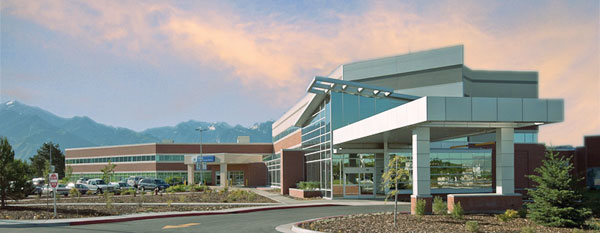
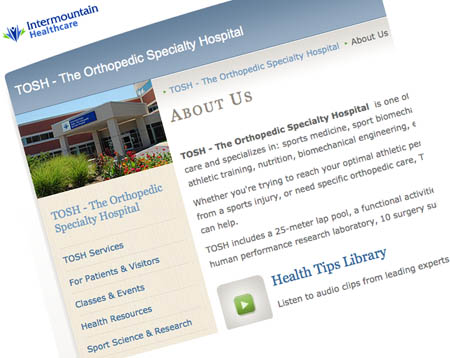
Leave the USANA Home Office headed east toward the towering Wasatch Mountains and any one of three routes will put you at The Orthopedic Specialty Hospital (TOSH) in less than 20 minutes. There are 12 measly miles of road between the corporate headquarters and the medical campus—road that represents a connection deepened by, but not built upon, proximity.

Collaboration is the vocabulary word Tyler Barker, Ph.D., a physiologist and clinical researcher at TOSH, would use to describe the research relationship with his neighbors to the west. It’s a collaboration manifested in shared interest, workload, and desire to be better through a two-heads-are-better-than-one philosophy.

“USANA isn’t just supporting the research, they’re doing it,” Barker said. “It would not be possible without USANA. Sometimes I feel bad because I’m always bugging Brian.”

He’s talking about Brian Dixon, Ph.D., USANA’s director of product innovation, and one of the members of USANA’s Research and Development team Barker works with most closely. Dixon and Barker should be familiar with each other. Both logged time at the Linus Pauling Institute (LPI). They kept in touch after their time in Corvallis, Oregon, and have fostered the collaborative spirit both point to as a strength of the partnership, which officially started in 2009.

But Barker’s relationship with USANA actually goes back further. As part of a research partnership with LPI, USANA funded Barker’s dissertation.


A Recipe for the Perfect Collaboration

Although the research partnership between USANA and TOSH is fairly new, the collaborative nature of the relationship is already bearing fruit.

“USANA has brought TOSH to a whole new level,” Barker said. “TOSH is world renowned for its surgery and physical therapy, and the research, but I feel like the collaboration with USANA has taken that research to a whole new level.”

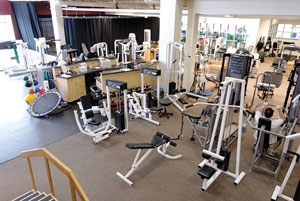
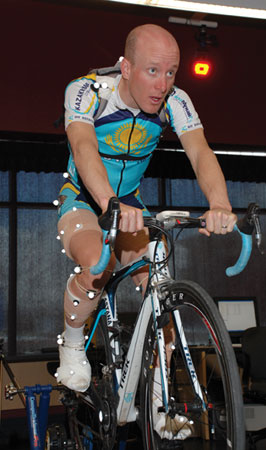
None of it would be possible without the unique expertise and resources Barker and TOSH bring to the table. And since TOSH is a world-class facility on the forefront of orthopedics, their contribution is by no means paltry. There’s the medical-campus setting with physicians, surgery, physical therapy, athletic training, and research under one roof. Then there’s the constant stream of patients that make up a large, varied population—everything from kids getting ready for their first football practice to osteoarthritis sufferers in need of a total knee replacement. Everything adds up to the perfect setting for human clinical research about nutrition and orthopedics, and the perfect partner for collaboration.

“Tyler and his team bring a specific skill set and expertise to a problem, and our team at USANA brings another skill set. It works well,” Dixon said. “You have a physiologist working with a molecular biologist, and Tyler can do things that we can’t do. We can do things that they can’t do. Those are the perfect collaborations.”

Like with anything, the research collaborations between USANA and TOSH start with a good idea. Conversations between Barker and USANA’s team produce ideas that could work for both parties. USANA and TOSH then work to turn those ideas into mutually beneficial research. That means designing a study, manufacturing the supplements, working on blinding and randomization—important steps to assure scientifically valid results—recruiting subjects, and collecting and analyzing the data. So the collaboration runs from conception to publication or presentation of the findings.

“I feel like it’s more on an academic level, as opposed to something marketing-driven,” Barker said of the relationship between the two groups.

Teamwork in Action

The relationship between USANA and TOSH materializes in the four human clinical studies currently underway—all of which explore the convergence of orthopedics and nutrition.

The first study examines whether low vitamin D status impairs recovery from muscle damage, and whether supplementing increases vitamin D levels and improves recovery. Data is only collected in the four winter months, but TOSH has finished subject recruitment and enrollment. Barker is ready to start data analysis, and he’s excited about what he’s seen so far. There have already been presentations at international scientific conferences, and the first manuscript from the study is in print now.

Barker was also able to leverage USANA’s resources to secure $40,000 in additional grant money for the study, getting even more research out of the company’s investment.

Knees are the focus of two other USANA-TOSH collaborations. One study builds on Barker’s dissertation, investigating the role vitamins E and C play in strength recovery following ACL injury and surgery, and whether multivitamin/multi-mineral supplements have an influence on strength recovery, as well. The ACL, or anterior cruciate ligament, is one of the four major ligaments of the knee. The study is approaching 50-percent subject recruitment, and Barker expects to do an interim analysis soon.

The other knee study explores whether multivitamin/multi-mineral supplements influence strength recovery, inflammation, and wound healing following a total knee replacement—a procedure that is increasing in frequency, especially in women. Barker said they are halfway to their goal of 30 subjects.

Data collection is continuing on both knee studies, but is just underway in the final USANA-TOSH collaboration—a vitamin D-osteoarthritis study. There are already 20 subjects, and five have finished their 12 weeks of supplementation—either a custom pack of vitamin D, fish oil, and joint-health supplements, or placebos. It’s a big study that involves several end points and outcome measures. But it’s important because, according to the Centers for Disease Control and Prevention, osteoarthritis affects an estimated 26.9 million adults in the United States, and is currently the leading cause of disability. This study is so important USANA has committed $250,000, plus the cost of supplements and other sample analysis.  

There are other things Barker has going on as well, like a case study exploring vitamin D status in the first subject to enroll in the total knee study. “We’re funding four studies and we expect four conclusions to come out of it,” Dixon said. “But Tyler goes above and beyond. He is consistently reanalyzing the samples he and his team have already collected as new research comes out to verify findings or even make new ones. So we get a lot of bang for our buck.”

And the fact that these studies are happening in humans, in a medical setting, makes the research even more valuable. 

“Subjects are coming here to get better—they have a bum knee or a bum hip or something—we want to make their lives better,” Barker said. “But at the same time, let’s do a little research to find out what’s going on and see if we can improve that.”


A Bright, Busy Future


When USANA evaluates which research to support, the phrase “cutting edge” is always part of the conversation. Working with researchers pushing the frontier of science is paramount, and the research with TOSH definitely fits USANA’s cutting-edge mantra. Crossover between orthopedics and nutritional science has been infrequent, but it’s quickly becoming an emerging area of interest—one where TOSH and USANA are already making advances.

“You can probably count all the studies that have examined vitamin D and inflammation in orthopedics on one hand,” Barker said.

Most of the research in orthopedics involves surgery, physical therapy, and biomechanics. There have been a few studies with vitamin C, iron, and folate, but most have been observational, not experimental, in nature. USANA and TOSH are trying to do both and, in the process, produce truly groundbreaking work.

And by no means is that work done. In fact, Barker and Dixon think the future looks bright. USANA funding has already allowed Barker to hire two research assistants to help shoulder the burden of running numerous clinical studies at the same time. Barker usually has about five studies on the backburner, too, and there are indications that some of those might be of interest to USANA.

“We’ve talked about a couple of possible studies, and there’s some additional funding that’s going to be coming TOSH’s way,” Dixon said. “Who knows where nutritional science and patient care is going to go in the future? But we’ll obviously be on that cutting edge.”

Barker would like to get to a point where USANA and TOSH are doing larger phase two and three clinical studies. The specifics aren’t clear, but what is—judging by the glowing way he talks about the collaboration he’s had with USANA—is Barker’s excitement about what the future holds for the partnership.

“USANA has quality supplements and quality people,” Barker said. “And then, with all the subjects and patients that walk through the doors here, basically, what we can do is endless. There are always questions and hypotheses.”

USANA Takes You On A Tour of TOSH

Next week, don’t miss the final Scientific Method story, which looks at research going on inside the USANA Home Office.

Friday, April 27, 2012

The Scientific Method: Legacy and Discovery at Linus Pauling Institute

Scientific Method: Legacy and Discovery are Alive at LPI
By David Baker

(This is part 2 of a series on the scientific research behind Usana Health Sciences and their partnership with LPI)

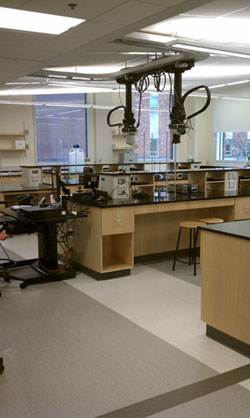
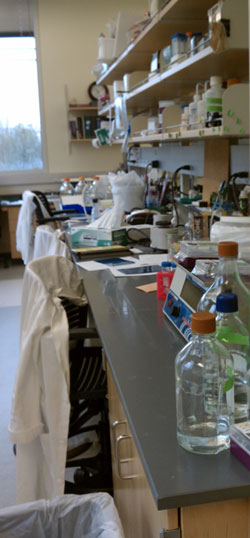
Inside the lab of a nearly new building. Inside a petri dish and the clear, seemingly non-descript liquid dripped from so many pipettes. Inside the cells composing various in vitro experiments and the DNA that builds life itself. Zoom in close enough on the Linus Pauling Institute, and you can see the mechanics of scientific discovery.

It’s for the discoveries that the new building, the new lab, the petri dishes, the pipettes, and the unquantifiable collection of scientific passion, knowledge, and energy exist. At the Linus Pauling Institute (LPI), it’s all dedicated to discovery—the game-changing kind that helps people live longer, healthier lives.

Observation

The researchers working on the campus of Oregon State University (OSU) in Corvallis are following in the footsteps of the scientific pioneer that lends his name to the institute. Linus Pauling, Ph.D., is the only person to win two unshared Nobel Prizes—Chemistry in 1954 and Peace in 1962. From a 13-year-old chemist in his mother’s basement, Pauling grew into one of the most important scientific figures of the 20th century, breaking ground in the nature of the chemical bond, and micronutrient research—especially the importance of vitamin C.

In 1973, Pauling co-founded what eventually became LPI. Basing their research on the idea that a balanced and nutritious diet is the key to optimal health, LPI scientists focus on how vitamins, minerals, and phytochemicals (chemicals from plants) play a role in human health. Nearly 30 years later, Pauling’s belief that micronutrients are important is still central, uniting the work of the researchers who carry on his legacy.

“I always have to laugh when MDs say, ‘We don’t need this vitamin!’” said Balz Frei, Ph.D., director and endowed chair of LPI and OSU distinguished professor of biochemistry and biophysics. “Wait a minute. Vitamin? ‘Vita’ is Latin for life. These things are essential nutrients. We need them. Without them, you die or suffer from serious disease.”

Driven by the mission to promote optimal health through micronutrient research, the institute has grown in acclaim, becoming one of the first two Centers of Excellence for Research on Complementary and Alternative Medicine designated by the National Center for Complementary and Alternative Medicine of the National Institutes of Health (NIH).

Hypothesis

It’s this mix of mission and excellence that brought USANA and LPI together in 2007, when a 10-year partnership was announced to facilitate the exploration of key nutrients to help people live healthy and productive lives.

“We have very similar interests and very similar mission statements,” Frei said. “Our focus is on health span, not so much life span. Of course, if you eat right and you exercise and you take the right dietary supplements you hopefully live longer, but you also live better…USANA is focusing on health span, too—trying to help people stay healthy up to an old age and help them be productive, and not just free of disease, but also vital and energetic. This makes perfect sense, then, for the LPI to partner with USANA.”

The partnership comes to life in the financial support USANA provides for projects at the institute—scientific- and outreach-related—and intellectual collaboration on mutually beneficial research. It’s a win-win, with LPI getting support for projects that are tough to fund through traditional channels, and USANA staying connected to pioneering research and the advancement of nutritional science.

Experiment

The work most closely associated with Pauling’s is coming out of the Frei lab. Building on a seminal paper he wrote called “Vitamin C is an Outstanding Antioxidant in Human Blood Plasma,” which has been cited over 1,200 times, Frei has continued his vitamin C work, but also explores other compounds and their role in slowing the progression of atherosclerosis—the hardening of arteries caused by plaque build up.

Frei’s research examines the interaction between vitamin C and lipoic acid. Along with fellow LPI researcher, Tory Hagen, Ph.D., Frei is looking at the anti-inflammatory properties of these compounds. Two ongoing clinical trials at Oregon Health and Science University (OHSU) are looking at the effects of lipoic acid supplementation in overweight subjects and heart disease patients.

The interaction of flavonoids with digestive enzymes is also of interest to the Frei lab. In vitro studies have shown certain flavonoids and extracts, like grape-seed and green tea extract, can inhibit digestive enzymes, slowing starch breakdown into glucose, which lowers the body’s response to this high-glycemic food. They are working to take this from the lab to humans—the goal of all the research at LPI.

Of course, Frei isn’t the only scientist at LPI immersed in interesting research. Visit the office of Emily Ho, Ph. D., and it’s easy to guess one of her lab’s interests. It’s green, stuffed, and sitting in a chair next to her desk.


Continue reading on page two


Broccoli—specifically the sulforaphane found in broccoli sprouts—is one of the two areas Ho’s lab is researching. The LPI principal investigator and associate professor of public health and human sciences also works on zinc projects. Prostate cancer prevention is the thread tying her research together, but she also looks at inflammatory response and immune function, as well.

“You can’t always get a prostate from people, so we study other things, as well,” Ho said with a laugh.

Ho and her collaborators recently ran a controlled feeding study looking at zinc and DNA damage. They found DNA damage increased through the depletion period of the study, and after four weeks receiving adequate zinc—through diet and supplements—subjects’ DNA damage levels returned to normal. There isn’t a good biomarker for zinc status, so one of Ho’s missions is to find a measure that indicates deficiency in this important antioxidant.

Ho has also worked with an LPI colleague to identify a new mechanism for sulforaphane. Now they are running two clinical trials at OHSU in breast cancer patients and men with high risk of prostate cancer. Ho is using epigenetic biomarkers—reversible changes to the genome that occur outside the DNA and alter the way cells behave—to test the impact of sulforaphane.

Each LPI researcher is different. Adrian “Fritz” Gombart, Ph.D., doesn’t have any stuffed effigies in his office, and the LPI principal investigator and associate professor of biochemistry and biophysics prefers to focus on the role vitamin D plays in the innate immune response—the system that signals the presence of a pathogen and prevents it from gaining a foothold in the body.

The research Gombart is doing provides a better understanding of vitamin D’s role in immune function, and could shed light on its ability to regulate an antimicrobial peptide gene called cathelicidin in different immune cells, as well as the response to different infectious diseases. Soon, he is hoping to do human clinical studies examining whether higher vitamin D status leads to higher cathelicidin levels in a large population of healthy people.

Results

Around LPI, Fred Stevens, Ph.D., comes up a lot. The LPI principal investigator and associate professor of medicinal chemistry is working with cutting-edge techniques that could speed up the normally slow process of scientific advancement.

These techniques present a different way of approaching problems and allow for scientific connections to be made more quickly. In a recent study, Stevens and his collaborators used the techniques to make an interesting discovery about vitamin C deficiency. The results suggest vitamin C is critical for maintenance of cellular energy metabolism, and could explain why vitamin C insufficiency causes fatigue.

Another LPI principal investigator, Gerd Bobe, Ph.D., is using Stevens’ techniques to explore the health benefits of various foods. Bobe, an assistant professor in animal sciences, said these techniques give us a better idea of what a drug, supplement, or diet does to a specific person, allowing for more personalized treatments and preventions.

Conclusion


“We have very similar interests and very similar mission statements…This makes perfect sense, then, for the LPI to partner with USANA.” 
— Balz Frei, Ph.D., director and endowed chair of LPI and OSU distinguished professor of biochemistry and biophysics


Bobe is also lending his statistics skills to the Healthy Youth Program. This outreach effort is tackling the issues of nutrition and physical education in schools. Since its inception in 2009, the reach of the Healthy Youth Program has grown substantially. It started with a fitness and nutrition study in elementary school children and an assessment of their micronutrient intake. Now, the program runs cooking classes for children and partners with Corvallis High School to develop a garden maintained by students.

The number of Healthy Youth Program employees has grown from one to five, and the impact of the program continues to expand exponentially. USANA has given $250,000 to support the Healthy Youth Program in its efforts to provide education and activity programs for kids and their families.

Through collaboration on cutting-edge research and support for programs providing nutrition education and activities for kids, USANA has found a kindred spirit in LPI. In the future, this partnership will continue to help people find optimal health and live longer, more productive lives.

In the coming weeks, look for more Scientific Method stories with additional in-depth information on USANA’s research partnerships. Next week’s story focuses on the research and relationship between USANA and TOSH.

Visiting Linus Pauling Institute

Thursday, April 26, 2012

Scientically Speaking - Part 1 of a Series

Ladies and Gentleman - Intelligent people want to know why these nutritional supplements as opposed to others on the market are superior. First it's important to know that unfortunately the supplement industry is an unregulated one. That means that a company can put whatever they want on the label without actually putting that in the bottle. Shocking but true and if you have been reading the news you have seen articles come out in the NY Times on findings of lead, mercury and even arsenic in supplements that humans are putting in their bodies depending on them for nutrition! USANA  Health Sciences is NSF Certified, follows GMP standards, is pharmaceutical grade, is an FDA facility, tests all materials as they arrive in the lab testing for purity and has a potency guarantee on every bottle. Beyond that USANA goes several steps further partnering with LPI and others to further understand the science of nutrition. This is the passion that goes into the manufacture of each and every product. Yes your supplements are good . It's just that these are better and the reason for that is presented in a series of guest posts by David Baker from our blog What's Up Usana?.
To your health!
- Ekayani Chamberlin

Scientifically Speaking: Collaborating for Scientific Good

April 5 2012 written by David Baker

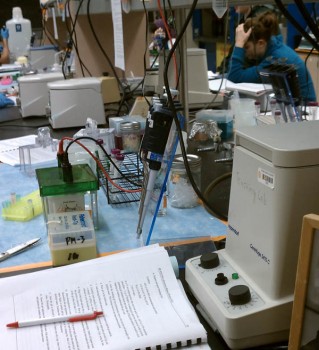
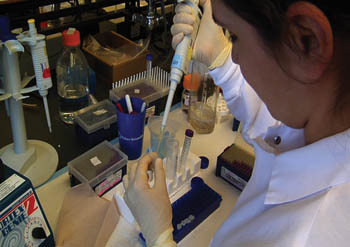
Researchers at the Linus Pauling Institute.
Science seems a scary, incomprehensible idea for some. In truth, it is nothing more than the quest for understanding. Today, scientists are simply using the corner pieces of previous scientific discovery as a starting point to complete the puzzle of existence.
USANA is a science company. Our lab-coat-clad scientists are interested in a particular section of the larger puzzle — developing a better understanding of how supplementation can promote optimal health. This understanding can lead to more effective products and help spread true health around the world — a worthy, if imposing, goal.
Luckily, USANA isn’t searching for puzzle pieces by itself. Although USANA’s team of scientists is second to none, good science often springs from collaboration. That’s why USANA also reaches out to the scientific community to build symbiotic research relationships with a variety of prestigious institutions and organizations.
“Solid science is the key to everything we do,” says USANA’s Director of Product Innovation Brian Dixon, Ph.D. “We want to stay on the cutting edge of nutritional research. That means we need to have a direct connection to the places where the groundbreaking research is being done.”

World-Class Collaboration

Dixon is talking about places like the Linus Pauling Institute (LPI) at Oregon State University (OSU). This world-class research institute — named after Dr. Linus Pauling, a pioneer in nutritional science and the only person to win two unshared Nobel Prizes — shares USANA’s mission to help people live healthy and productive lives through their research in vitamins, essential minerals, and phytochemicals.
At LPI, USANA has funded and collaborated on research involving vitamin C and lipoic acid interactions, zinc and DNA damage, the role vitamin D plays in immune function, an assessment of the micronutrient status of children, and numerous other projects.
He is talking about places like The Orthopedic Specialty Hospital (TOSH). Since 1991, TOSH has been an international leader in orthopedics, sports medicine, and sports science — providing surgical, physical rehabilitation and medicine, and sports and nutritional science under one roof. USANA began partnering with TOSH in 2009.
The relationship has yielded one study about vitamin D in patients with osteoarthritis symptoms, and four other human clinical studies involving USANA products and joint health, strength recovery, and performance in athletes.
And Dixon is also talking about places like Utah State University (USU).
On the Logan campus — about two hours north of Salt Lake City — USANA and USU are examining the role of supplementation in counteracting the negative health effects of exposure to polluted air. Such exposure is the 13th leading cause of mortality worldwide, so this research could have a huge positive impact.

Mutually Beneficial Relationships

Partnering with research entities like LPI, TOSH, and USU — as well as others throughout the years — greatly benefits USANA. It allows the company to continue to produce the most effective, science-based products in the industry, and provides the extra layer of credibility that comes from working with some of the best researchers in the world.
But these research partnerships are mutually beneficial. The help USANA provides — monetarily and otherwise — gives partner institutions the ability to carry out important research that wouldn’t be possible using traditional channels, like the National Institutes of Health (NIH).
“The kind of cutting-edge research that’s unconventional and breaking new ground is often funded by non-NIH sources,” says Balz Frei, Ph.D., director and endowed chair of LPI and OSU distinguished professor of biochemistry and biophysics.
Grants from the NIH are part of a traditional, government-centric framework for research funding. Government grants typically pack a lot of zeros, but they are hard to come by, especially for work that isn’t a sure thing.
“They’re hesitant to put money into anything too risky,” says Adrian “Fritz” Gombart, Ph.D., an associate professor at OSU and an LPI principal investigator. “Somebody gets an out-there idea — and they may have good reasons for it — but the people giving out the money are conservative in their views and they may say, ‘Well, I don’t know. You might be wasting taxpayers’ money.’”

Paving the Way for Cutting-Edge Research

Some of the more unconventional, cutting-edge research gets dismissed, because the NIH and other traditional funding sources need to see significant evidence showing the possible viability of a study before they open the funding floodgates. As a result, this approach leads to only the incremental advancement of science.
“Without preliminary data, you can’t get any funding from NIH,” Frei says. Unfortunately, without money you can’t get any data, which has sent scientists scrambling for other ways to pay for their research. That’s where partners like USANA come in, providing the dollars to do pilot studies that accumulate the evidence needed to secure government funding.
“Even great scientists are having trouble getting money,” Gombart says. “So any source of money — whether it’s the government or a partnership with a company that has an interest in an area of research — is really important.”
Frei estimated that currently less than 10 percent of proposals to NIH are being funded. “We need to diversify,” he says. “And we need to have funding from the private sector as well, because the government is not providing enough funding for all the interesting ideas and projects we have in the Institute. Certainly, that’s where USANA is a big help.”
Being part of the advancement of nutritional science wholly aligns with USANA’s founding principles. Collaborating on studies and funding groundbreaking research is another way — using the vehicle of solid science — to spread true health.
“As a science-based company, we have a strong interest in having access to cutting-edge scientific data,” says Dixon, who spent time at LPI before coming to USANA. “But it’s important to help fund and collaborate on studies that lead to cutting-edge results. I’m excited to be supporting and working with other scientists who are doing important work that can have a positive impact on people’s lives.”
Editor’s Note: A version of this story originally appeared on USANAtoday.com. The first of in an in-depth series about USANA’s research partnerships introduces the world-class institutions we’re working with and the importance of these relationships.

Wednesday, April 25, 2012

The Importance of Research in Supplementation Not Trends

Introduction to Scientifically Speaking: The Importance of Research

This is the beginning of a series of posts from Usana Health Sciences going in depth and behind the scenes into the passion that motivates to constantly improve the products we manufacture. Based on real science instead of fads and trends Usana has partnerships with LPI and TOSH to advance research in the field of human health and the role of supplementation. Enjoy these visits.
Ekayani Chamberlin
 This post originally published on November 10 2011 written by Lisa Kuftinec

Here at USANA Health Sciences, we take dietary supplements seriously.
You’re saying, well, of course you do. You make them.
Correct. However, it is not that simple.
USANA is not in the business of making products that fall into the latest trends. We are in the business of making products that help people live a healthier life.
One way, and possibly one of the most important ways, USANA does this is by using research. That’s right: research. In fact, it says it right on our website:
“At USANA, scientific research is at the heart of every product we offer. Whether in studies conducted by top scientists in our on-site laboratories or findings from the many research partnerships we have across the globe, USANA is fully committed to the research and development of cutting-edge nutritional technology.” — Dr. Myron Wentz
We do not bring a product to market, upgrade or enhance a product unless we have done thorough research.

Identifying Online Resources

This is a timely reminder, as there have been some stories in the news about supplements not being beneficial. There is also a great deal of research that highlights the benefits of supplementation. Here are a few resources for you:
Natural Product Association research has shown that supplementation can boost immune systems and help improve and maintain overall health, along with combating nutritional deficiencies. The healthier we are, the more we save in health care costs.
The Office of Dietary Supplements’ website is very comprehensive, and includes “Quick Facts” alongside more comprehensive “Health Professional” information. Many resources on the site are for consumers, and help consumers make sound decisions about supplementation.

A Word from LPI

One of our research partners, Linus Pauling Institute, discusses this topic on its website. In this article, they cite data from the National Health and Nutrition Examination Survey (NHANES) stating that using supplements can help combat micronutrient deficiencies, which approximately 70% of the U.S. population suffers from.
It also points out that we are deficient in vitamin D, vitamin E, vitamin C, magnesium, vitamin A, and calcium. These micronutrients are important to our health, and if supplementation can help our bodies be more in balance, then I am all for it.
Linus Pauling Institute’s Rx for Health is great resource: it shares tips on proper supplementation usage, alongside healthy eating and lifestyle tips. All three work together, and it is important to remember that supplementation is not a one-stop fix.

Research for Yourself

USANA has put together a comprehensive paper on the Health Benefits of Nutritional Supplements (PDF). This paper is 51 pages of “an enumerative bibliography of peer-reviewed research.” Wow. Divided by health issue, this resource provides references to hundreds of studies that have been conducted that show how supplementation affects the body.
Not only does USANA seek out research, we conduct our own.
With partners such as The Orthopedic Specialty Hospital (TOSH), Boston University, the University of Sydney, the University of Colorado Denver, Utah State University, University of Utah, Sanoviv Medical Institute, and the aforementioned, Linus Pauling Institute, we conduct research and clinical trials to test our own hypotheses and to help us understand how nutritional supplements can help the body under different circumstances.
As you can see, the support for dietary supplements is comprehensive. Please know USANA is committed to continuing to make nutritional supplements based upon sound research (read more about it here), to ensure you can trust the products you us

Monday, April 23, 2012

Client Testimonial - Ivy Diaz on Sense skin care

Ivy pointing to her "soft side" post Sense spa treatment

Ivy Diaz works as an insurance agent at New York Life. Warm and vivacious, Ivy has a busy high powered life in New York City dividing her time between her professional and family responsibilities. I had a one on one session with Ivy at my home office taking her through the entire Sense paraben free skin care line.  This is what she had to say.


Feel the Difference -  Half Face Product Demo Demonstrates Results
"Oh Ekayani, I have to thank you with a special message because today was an excellent day with all the trimmings and all your wisdom which brought me to a new level in my life with half of my face feeling Oh - So - Soft like touching cotton or a baby’s bottom!!! Skin is so important to me. If I take care of my skin it will take care of me. So when you and I had our one-on-one  today IT was a blessing.  I learned so much from you! You truly know your profession. Something no one knows about you is the fact that you truly have a special story to share which brings out your passion with your business.  And you owe it first and foremost to your Grandpa who is 110!  I was so touched and now I feel so much closer to you!"
Ekayani with her Inspirational 110 Year Old Grandfather Bernando LaPallo

Sharing Our Stories - The Impact of Inspiration
"You are an inspirational person. (Thanks Ivy.) You take your time to explain how you got to where you are today, what inspired you to get there, who were your key inspirations, and why you believe so much in what you do today. If I knew yesterday, what I learned today, the Anti-Oxidants, Anti-Aging, and Protection would all be part of my 24/7 life proving it with my tight and hydrated skin! But as I learned from you, it is never too late!!!"
Ivy purifying and hydrating her skin with Sense Nutritious Cream Masque
Save Money With Products That Work
"I also learned that the kind of money we spend today for so many items that promise to deliver a tight and hydrated skin is actually killing our skin ever so softly with it deadly chemicals. So giving to ourselves, which is the best gift of all and we’ll believe in the magic and miracles, that only “Ekayani” can introduce us to in under 1.5  hours!"
Live Life to the Fullest
"So I’ve always said it but I’ll say it again LIVE LIFE TO THE FULLEST! No matter what our age, we need to just take that step and adjust according to age because as I learned from you today it was your turn to be creative with me and it was my time to surprise myself doing something new.  I have to say I spent the morning in a very meaningful way because you greeted me with a loving embrace and after our time ended I knew I was active and my day was a good one. You didn’t hesitate to complete our One-on-One and you sure cared, from beginning to end!

Thank you so much, for your time and caring ways!"
XOXOXO
Best,
IVY

Celebrate the Mom's in Your Life - Sensé Mother’s Day Special!

Save Big During the Sensé Mother’s Day Special!

From April 23 to May 13, 2012 you can save big on the Sensé™ Perfecting Essence and Serum Intensive duo-pack. Buy now and receive a complimentary Sensé cosmetic bag with your purchase. These award-winning products and free gift are the perfect way to treat yourself or show your loved ones that you care. Order yours today! These products fall into our anti aging targeted solutions. Serum Intensive gently exfoliates while diminishing the appearance of fine lines, wrinkles and scars. Perfecting Essence boosts collagen production, helps diminish blotchy red skin, brightens skins with it's Proteo - C and DSR patented technology. Contains green tea to soothe the skin. Contact ekayani@usana.comif you have any questions or  need help.The savings on these items is $25.00.  

All products are as always paraben free. 
Shop 24/7 at my online store

Sensé Mother’s Day Special
Item #960 
$69.95, 57 SVP